|
Avian Influenza (Bird Flu):
The UK Department of Health has published advices in a number of formats to deal with this potential threat.
They advise that this type of flu is one that affects mainly wild and domestic birds. In that form, it can spread very quickly through poultry farms or live bird markets, because the birds are usually kept closely together. Spread amongst birds is usually through their saliva, nasal fluids and droppings (some of which can be found on their feathers).
The most serious form of this flu is known as the H5N1 virus. The Department of Health advise that this is currently affecting chickens, ducks and some wild birds, in some parts of Asia and Europe. They have advised that this form of the virus has spread to humans, but has only caused a small number of illnesses, usually amongst people who have a close contact with infected birds.
Of those infected, half have died, but the Department of Health stress that no human cases have occurred in the UK.
At this time, there is no confirmed evidence of this virus spreading from one human to another, and the Department of Health currently advise, that even coming into contact with infected birds, dead or alive, there remains a very low risk of catching this virus.
The simple advice from the Department of Health is:
 Not to visit poultry farms of markets - Avoid close contact with live or dead poultry
- Do not eat raw or poorly cooked poultry, particularly if they include blood
- Wash your hands frequently with soap and water
They further advise that if you come into contact with live or dead poultry in an affected country or area, you should be aware of the symptoms of flu which can appear suddenly:
- A Fever (temperature of 38·c or more)
- Cough
- Shortness of breath
- Headache
- Sore Throat
- Sore Eyes
- Muscle Aches
The advice is simple - if you develop these symptoms whilst abroad following contact with live or dead poultry, seek medical immediately.
The Department of Health advise that if you have been in contact with live or dead poultry and develop these symptoms when you return, then you should take the following action:
- Seek immediate medical attention from your doctor or call NHS Direct on 08454647 - you should always advise your symptoms clearly and your recent travel history - follow any advices given
- Cover you nose or mouth when coughing or sneezing
- Use tissues only once, dispose of them promptly and carefully
- Wash your hands frequently with soap and water
The following links are recommended for further information:
- For Travel Health Advice consult - The National Travel Health Network Centre - www.nathnac.org
- For additional Travel Advices in different countries/areas of the world - www.fco.gov.uk
- Link to the UN list of infected areas (World Health Organisation) - www.who.int
- Further detailed information and advice on the H5N1 virus - www.hpa.org.uk
- Link to the Department of Health document on bird flu - www.dh.gov.uk/pandemicflu
|
|
|
|
|
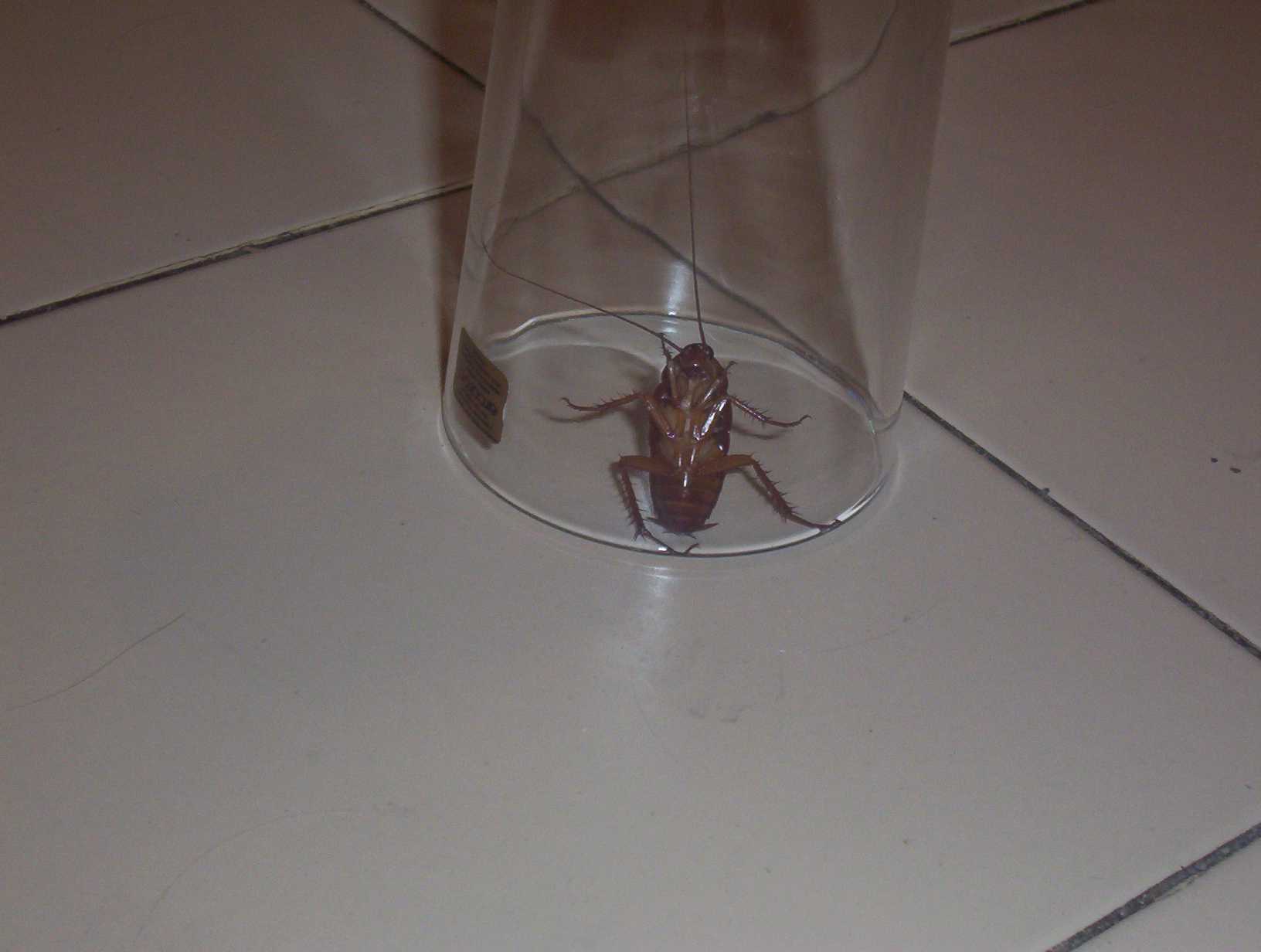
Cockroaches in the bedroom |
|
 |
|
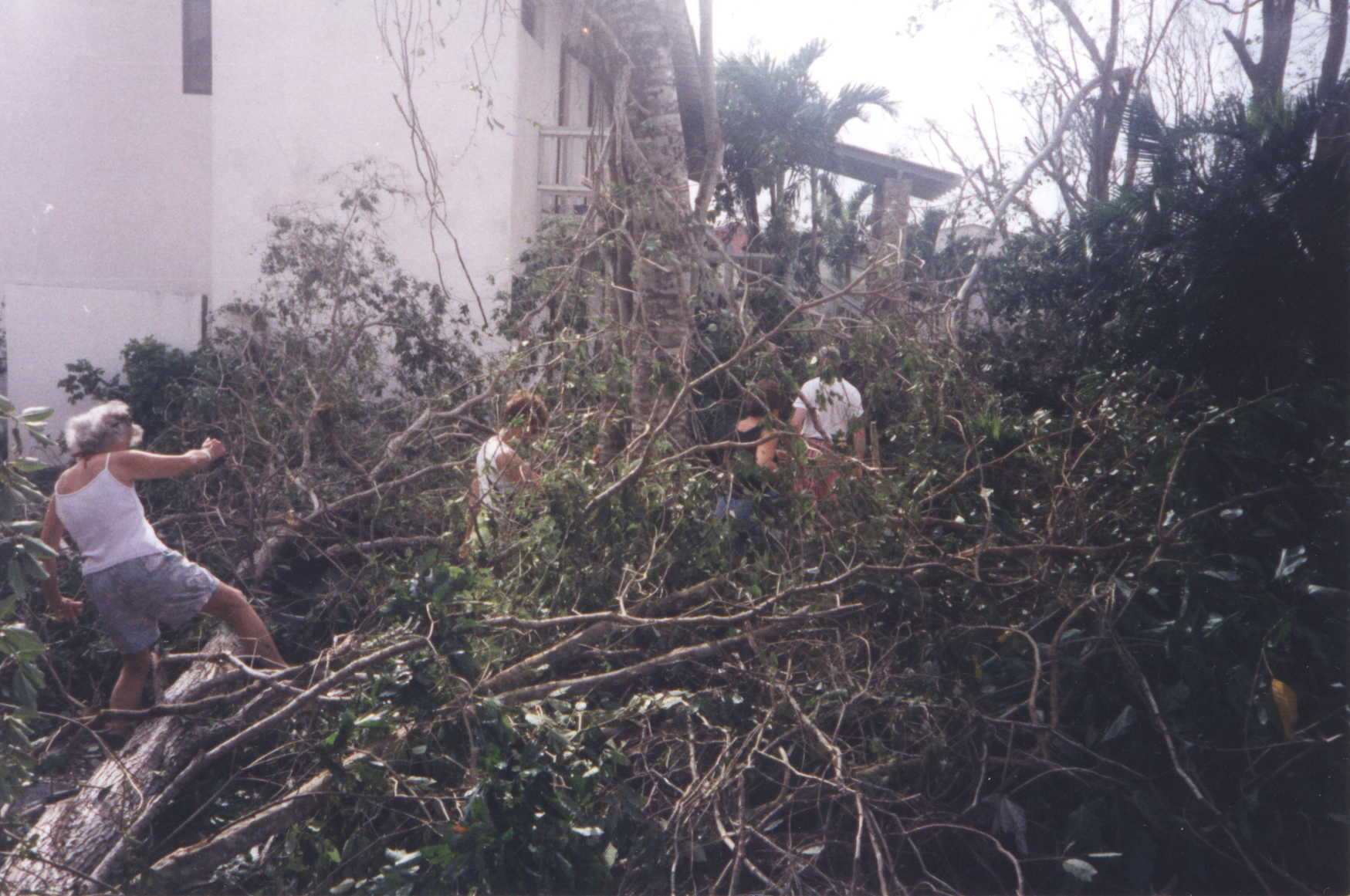
Holidaymakers post hurricane |
|
|